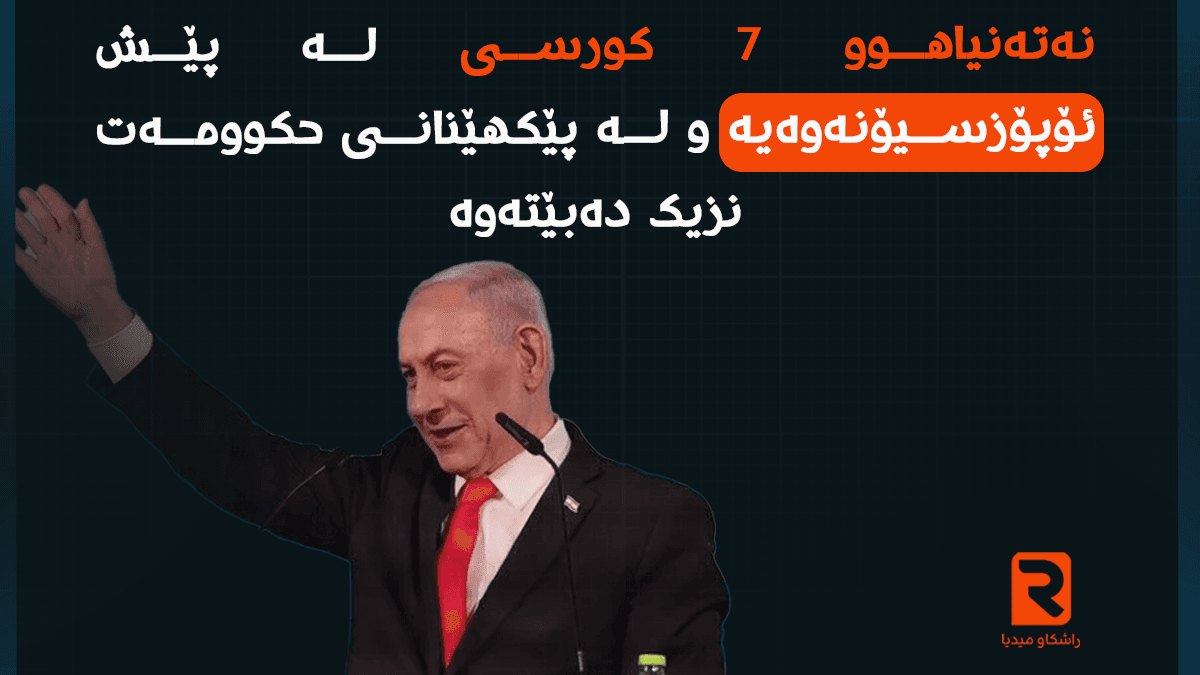
Amid intense political rivalry and following the first general elections since the October 7 attacks, preliminary results of the Knesset elections show a significant lead for Benjamin Netanyahu's bloc. According to results released after 55% of the votes were counted, the Likud party, led by Netanyahu, is in the lead with 27 seats, bringing his supportive bloc's total to 56 seats.
In contrast, the anti-Netanyahu bloc (the opposition) led by Gadi Eisenkot has secured 49 seats, while Arab lists have guaranteed 15 seats. According to the latest preliminary results published at 7:43 Erbil time, the distribution of the 120 Knesset seats is as follows:
- Netanyahu's bloc: 56 seats.
- Opposition bloc: 49 seats.
- Likud Party (Netanyahu): 27 seats.
- Yashar Party (Eisenkot): 22 seats.
- Joint List (Arab): 12 seats.
- Together Party: 11 seats.
- United Torah Judaism: 8 seats.
- Yisrael Beiteinu: 8 seats.
- Jewish Power (Ben-Gvir): 7 seats.
- Religious Zionism (Smotrich): 7 seats.
- Shas: 7 seats.
- The Democrats: 7 seats.
- Ra'am Party (Mansour Abbas): 4 seats.
To form a government in Israel, a coalition needs at least 61 out of 120 seats. Currently, Netanyahu's right-wing and religious bloc only needs 5 more seats to reach a majority, while the opposition holds 49 seats and Arab parties hold 15. Voter turnout reached 77.7%, significantly higher than the 70.6% in 2022, marking the highest participation rate since 1999.
This election, the first since the October 7, 2023 attacks, puts the political fate of Israel's longest-serving prime minister on the line, as opponents accuse him of security failures. Initially, the progress of Eisenkot's bloc sparked celebrations among supporters in Tel Aviv, where former hostages and reserve soldiers expressed their desire for change. Meanwhile, in Jerusalem, Netanyahu promised to form a strong government without officially declaring victory.