
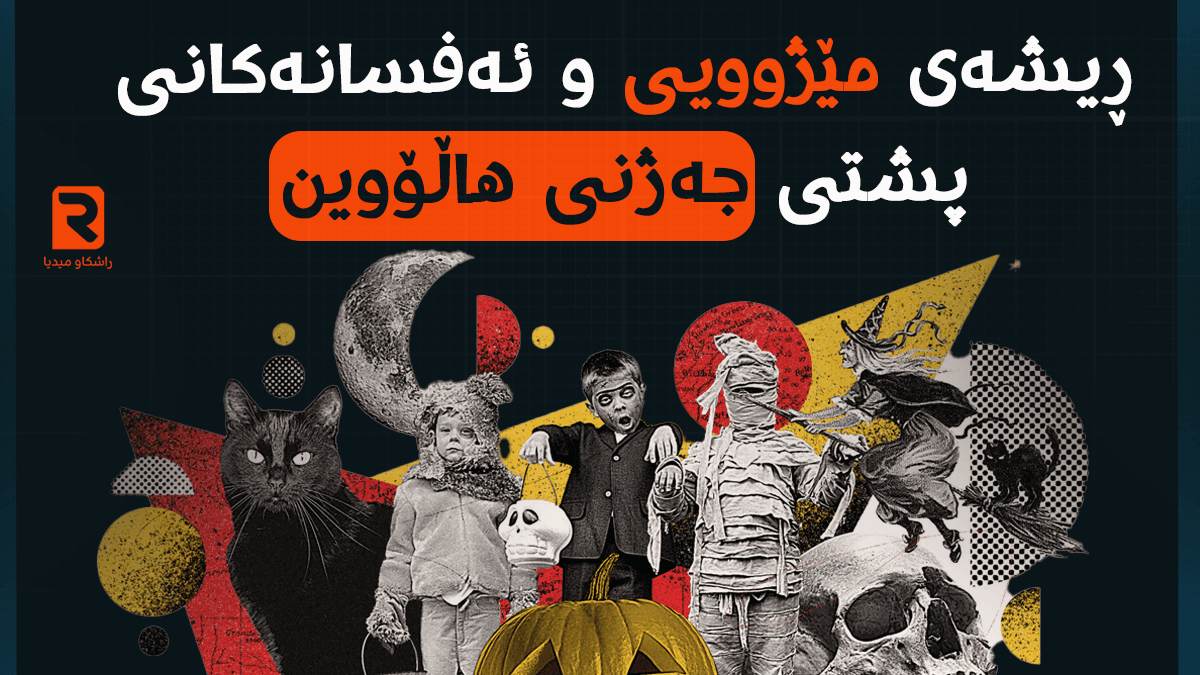
Every year on the night of October 31, streets and homes around the world are decorated with carved glowing pumpkins and scary masks, as children and adults take to the streets dressed as ghosts, witches, and bizarre characters. Although viewed today as a commercial and festive holiday, Halloween has deep historical roots dating back over two thousand years, originating from beliefs about the connection between the world of the living and the dead.
The word Halloween is a shortened form of "All Hallows' Eve". In the 8th century AD, the Catholic Church designated November 1 as "All Saints' Day" to honor religious saints. The evening before, October 31, became a holy night, aiming to replace older pagan traditions.
The true origin traces back to the Celts—ancestors of modern Ireland, Scotland, and parts of the UK—who celebrated a festival called Samhain on October 31. Marking the end of summer and harvest and the beginning of dark winter, they believed the boundary between the living and the dead blurred on that night, allowing spirits to return to earth.
To avoid being recognized or harmed by evil spirits, people wore animal skins and terrifying masks to disguise themselves as spirits. They also lit massive bonfires on hills and offered sacrifices.
The tradition of the "Jack-o'-lantern" stems from an Irish myth about a cunning man named Jack who tricked the Devil. Denied entry to both heaven and hell upon his death, Jack was given a burning coal inside a carved turnip to light his wandering path. When Irish immigrants moved to America in the 19th century, they found pumpkins easier to carve than turnips.
Meanwhile, the tradition of trick-or-treating originated in the Middle Ages, when poor people visited wealthy homes on All Saints' Day, offering prayers for the dead in exchange for food and cake.